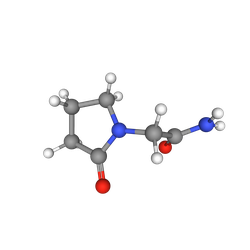
Piracetam
Also known as: Piracetam, 1-Pyrrolidinylacetamide, Nootropil, Neurorob, Piracetamum, Racetams
Piracetam is a dietary supplement that falls under the category of nootropics, often known as "smart drugs," which are substances used to enhance cognitive functions. Developed in the 1960s, Piracetam is primarily utilized to aid memory, focus, and learning ability. It is believed to support brain health by facilitating better communication between nerve cells and increasing cerebral blood flow. People commonly use Piracetam with the aim of boosting mental performance or managing conditions that impair memory and cognition, such as age-related cognitive decline. The precise mechanics of how P...
Potential Side Effects
Side effects score: 3; Piracetam is generally well-tolerated, but some common side effects may occur, including headaches, insomnia, nervousness, gastrointestinal issues, and dizziness. Additionally, some users might experience agitation or increased anxiety.
Health Categories
View efficacy ratings for Piracetam across multiple health categories.
Research & Evidence
Our efficacy ratings are based on scientific research and clinical studies.
Related Supplements
Supplements commonly explored alongside Piracetam