Anthocyanins
Also known as: Cyanidin, Delphinidin, Malvidin, Pelargonidin, Peonidin, Petunidin, Flavonoids, Plant pigments, Polyphenolic compounds, Water-soluble pigments
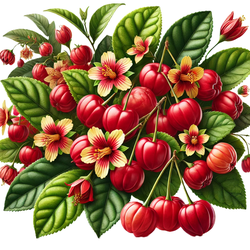
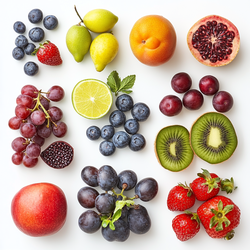
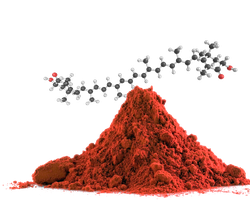
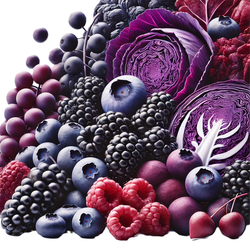
Anthocyanins are natural pigments responsible for the vibrant red, blue, and purple hues in many fruits and vegetables. They are abundantly present in foods such as blueberries, blackberries, red cabbage, and cherries. Bound by their potential health benefits, anthocyanin supplements have gained popularity for their antioxidant properties. Antioxidants play a crucial role in protecting our cells from damage caused by harmful molecules called free radicals. This protection is significant because free radicals are linked to various health issues, including heart disease and aging. Beyond their ...
Potential Side Effects
Side effects score: 1; Anthocyanins, the natural pigments in many fruits and vegetables, are generally safe for most individuals when consumed in typical dietary amounts. However, some people might experience gastrointestinal discomfort or allergic reactions. Additionally, anthocyanins could interact with certain medications, especially those that influence blood clotting or blood sugar levels. It
Health Categories
View efficacy ratings for Anthocyanins across multiple health categories.
Research & Evidence
Our efficacy ratings are based on scientific research and clinical studies.
Related Supplements
Supplements commonly explored alongside Anthocyanins