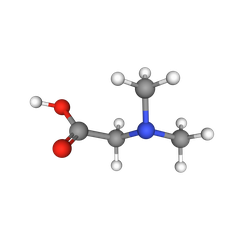
Betaine
Also known as: Trimethylglycine, TMG, Glycine Betaine, N,N,N-Trimethylglycine, Betaine Anhydrous
Betaine is a naturally occurring compound found in foods such as beets, spinach, and whole grains. These dietary sources provide a naturally occurring supply of betaine, which many people choose to supplement for its numerous potential health benefits. Primarily, betaine plays a crucial role in the body by assisting with the metabolism of homocysteine, an amino acid that, when accumulated at high levels, can pose health risks, particularly to the heart. By aiding in the transformation of homocysteine into other essential substances, betaine helps in maintaining heart health and promotes overal...
Potential Side Effects
Side effects score: 3; Betaine is generally considered safe for most people, but potential side effects may occur. These can include gastrointestinal issues such as nausea, diarrhea, and stomach upset. Additionally, high doses of betaine might lead to decreased blood pressure or an increase in body temperature.
Health Categories
View efficacy ratings for Betaine across multiple health categories.
Research & Evidence
Our efficacy ratings are based on scientific research and clinical studies.
Related Supplements
Supplements commonly explored alongside Betaine