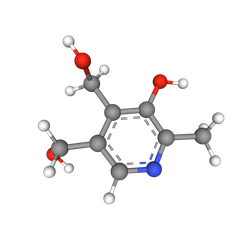
Pyridoxine
Also known as: Vitamin B6, Pyridoxal, Pyridoxamine, Pyridoxine hydrochloride, 3-Hydroxy-2-methyl-4-(methylthio)butanoic acid, Aminobutyric acid derivative
Pyridoxine, commonly known as vitamin B6, is an essential nutrient that plays a critical role in maintaining several bodily functions, including the production of hormones, neurotransmitters, and red blood cells. This vitamin is vital for converting food into energy and supporting brain health. Naturally, pyridoxine is abundant in foods such as fish, poultry, potatoes, bananas, and chickpeas, making it accessible through a balanced diet. Ensuring adequate intake of vitamin B6 is crucial, as it influences various aspects of health, including emotional well-being and cognitive performance. As a...
Potential Side Effects
Side effects score: 3; Pyridoxine, or vitamin B6, is generally safe when taken at recommended doses. However, taking high doses can lead to nerve damage, causing numbness and tingling. Other side effects may include gastrointestinal issues, skin reactions, increased sensitivity to sunlight, dizziness, headaches, and sleepiness. It is important to adhere to recommended dosages to minimize the risk
Health Categories
View efficacy ratings for Pyridoxine across multiple health categories.
Research & Evidence
Our efficacy ratings are based on scientific research and clinical studies.
Related Supplements
Other supplements in similar health categories as Pyridoxine