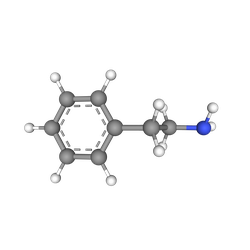
Phenylethylamine
Also known as: PEA, Phenethylamine, Beta-phenylethylamine, 1-Phenylethylamine, 2-Phenylethylamine
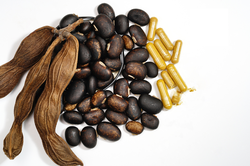
Phenylethylamine (PEA) is a naturally occurring compound that is found in certain foods, including chocolate, and is available as a dietary supplement. Often referred to as the "love chemical," PEA is known for its ability to enhance mood and promote feelings of happiness and vitality. It acts like a neurotransmitter in the brain, meaning it helps transmit signals between nerve cells, which can create sensations akin to those felt when one experiences love. As a result, individuals often take PEA supplements to boost mood, elevate energy levels, and improve concentration and focus. When consu...
Potential Side Effects
Side effects score: 4; Phenylethylamine (PEA) may cause side effects including increased heart rate, anxiety, headaches, nausea, and gastrointestinal discomfort. Additionally, it can interact with medications, particularly those influencing mood and blood pressure.
Health Categories
View efficacy ratings for Phenylethylamine across multiple health categories.
Research & Evidence
Our efficacy ratings are based on scientific research and clinical studies.
Related Supplements
Supplements commonly explored alongside Phenylethylamine