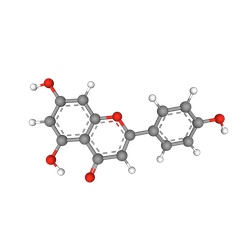
Myristicin
Also known as: Myristicin, 4-Methoxy-6-(2-propenyl)-1,3-benzodioxole, 5-Allyl-1-methoxy-2,3-methylenedioxybenzene, 1-Allyl-3,4-methylenedioxy-5-methoxybenzene
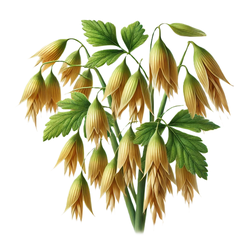
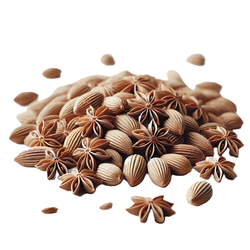
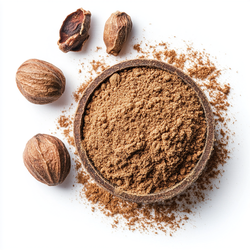
Myristicin is a naturally occurring compound primarily found in nutmeg and, to a lesser extent, in other spices such as parsley and dill. This compound is part of the larger family of phenylpropene compounds and is known for its distinctive aroma and flavor. Historically, nutmeg has been used in culinary applications and traditional medicine, with myristicin being one of the key active components. In recent years, myristicin has garnered attention for its potential psychoactive and therapeutic effects, although it is important to approach these claims with caution due to the limited scientific...
Potential Side Effects
Side effects score: 6; Myristicin is a naturally occurring compound found in nutmeg and other spices, and while it is generally safe in small amounts used in cooking, consuming it in large doses can lead to several side effects. These may include nausea, dizziness, dry mouth, and an increased heart rate. In more severe cases, high doses of myristicin can cause hallucinations, confusion, and disori
Health Categories
View efficacy ratings for Myristicin across multiple health categories.
Research & Evidence
Our efficacy ratings are based on scientific research and clinical studies.
Related Supplements
Supplements commonly explored alongside Myristicin