Aspirin
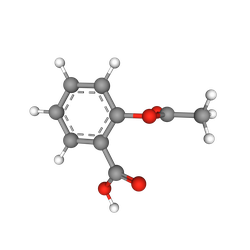
Also known as: Acetylsalicylic Acid, ASA, Salicylate, Empirin, Bufferin, Aspisol, Aspro, Aspirin Enteric-Coated, Aspirin-D, Aspirin-Like Compound
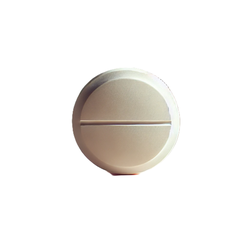
Aspirin is a widely used over-the-counter medication renowned for its ability to relieve pain, reduce inflammation, and lower fever. Commonly used to treat headaches, muscle aches, and arthritis pain, aspirin belongs to a class of drugs known as nonsteroidal anti-inflammatory drugs (NSAIDs). It works by inhibiting the production of chemicals in the body known as prostaglandins. These chemicals are generally produced in response to injury or illness and are known to cause pain, swelling, and fever. By reducing their production, aspirin effectively alleviates these symptoms, thus helping you fee...
Potential Side Effects
Side effects score: 6; Aspirin commonly causes gastrointestinal issues such as stomach pain, heartburn, and nausea, and it increases the risk of bleeding and bruising. Rare but serious side effects can include allergic reactions, gastrointestinal ulcers, and Reye's syndrome in children.
Health Categories
View efficacy ratings for Aspirin across multiple health categories.
Research & Evidence
Our efficacy ratings are based on scientific research and clinical studies.
Related Supplements
Supplements commonly explored alongside Aspirin