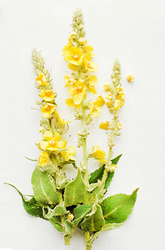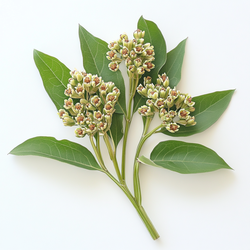
Milkweed
Also known as: Asclepias, Silkweed, Asclepias incarnata, Asclepias tuberosa, Asclepias syriaca, Common Milkweed, Butterfly Weed
Milkweed, a plant commonly associated with the monarch butterfly, has gained attention for its potential health benefits as a dietary supplement. Traditionally, milkweed has been used in various cultures for its medicinal properties, primarily due to its rich content of compounds like cardenolides, which are known for their heart-strengthening effects. In recent years, milkweed supplements have been explored for their potential in supporting cardiovascular health, due to these bioactive compounds. Additionally, milkweed contains a variety of nutrients, including essential fatty acids, vitamins...
Potential Side Effects
Side effects score: 6; Milkweed, while sometimes used in traditional remedies, can have several side effects that are important to be aware of. Consuming milkweed can lead to nausea, vomiting, and diarrhea due to its toxic compounds. Ingesting large amounts can be particularly harmful, potentially causing more severe symptoms like dizziness, confusion, and heart problems, as milkweed contains card
Health Categories
View efficacy ratings for Milkweed across multiple health categories.
Research & Evidence
Our efficacy ratings are based on scientific research and clinical studies.
Related Supplements
Supplements commonly explored alongside Milkweed