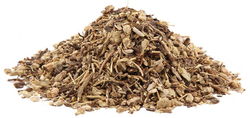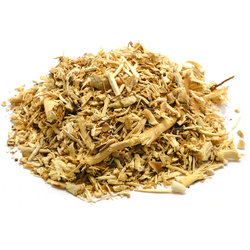
Hydrangea Root
Also known as: Wild Hydrangea., Hydrangea arborescens, Seven Barks, Hydrangea
Hydrangea root, derived from the Hydrangea arborescens plant, has been used in traditional medicine for centuries, particularly among Native American tribes. Historically, it has been employed to support urinary tract health and address kidney-related issues. The root of the hydrangea plant contains several active compounds, including hydrangin, saponins, and flavonoids, which are believed to contribute to its medicinal properties. These compounds are thought to have diuretic and anti-inflammatory effects, which can help in flushing out excess fluids and potentially reducing inflammation in th...
Potential Side Effects
Side effects score: 2; Hydrangea root, often used in traditional medicine, may have some side effects that users should be aware of. Commonly reported side effects include nausea, vomiting, and diarrhea, which can occur if the supplement is taken in large doses. Some people may also experience dizziness or a drop in blood pressure. There is also a potential risk of skin irritation or allergic reac
Health Categories
View efficacy ratings for Hydrangea Root across multiple health categories.
Research & Evidence
Our efficacy ratings are based on scientific research and clinical studies.
Related Supplements
Supplements commonly explored alongside Hydrangea Root