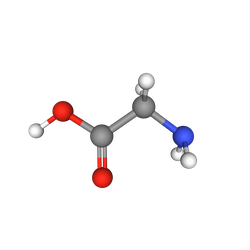
Glycine
Also known as: Aminoacetic Acid, 2-Aminoacetic Acid, Glycocol, Glycocoll, Glycine Betaine
Glycine is a non-essential amino acid, meaning our bodies can produce it, but it is also commonly ingested through a diet rich in protein-based foods such as meat, fish, dairy, and beans. As a foundational element in protein synthesis, glycine plays a crucial role in supporting various bodily functions. One of its key roles is in the formation of collagen, a protein that is vital for maintaining healthy skin, bones, and joints. Additionally, glycine functions as an important neurotransmitter in the central nervous system, facilitating communication between neurons, which is essential for prope...
Potential Side Effects
Side effects score: 2; Glycine is generally considered safe and well-tolerated, but some individuals may experience digestive issues such as nausea, diarrhea, or an upset stomach. In rare cases, it may cause allergic reactions or interact with medications. It is advisable to consult a healthcare professional before using glycine, especially if you have existing health conditions or are taking othe
Health Categories
View efficacy ratings for Glycine across multiple health categories.
Research & Evidence
Our efficacy ratings are based on scientific research and clinical studies.
Related Supplements
Other supplements in similar health categories as Glycine